
How to Read a Pay Stub
Learn to read a pay stub with our detailed guide. Understand every detail, from earnings to deductions, ensuring you know exactly what you’re getting paid.
- A pay stub provides a breakdown of earnings, taxes, and deductions, helping to explain where your money goes.
- Regularly reviewing your pay stub ensures that all deductions and withholdings are accurate.
- Gross pay represents total earnings before deductions, while net pay is the amount received.
- Common deductions include federal and state taxes, Social Security, Medicare, and insurance premiums.
- Catching errors early, such as incorrect deductions or misreported hours, helps avoid long-term financial issues.
Have you ever been surprised by a paycheck amount that didn’t quite match expectations? From a surprise bonus to deductions for taxes or benefits, there are many variables that can affect your take-home pay. Learning how to read a pay stub makes it easier to understand exactly where that money goes, giving a clearer picture of your earnings and deductions.
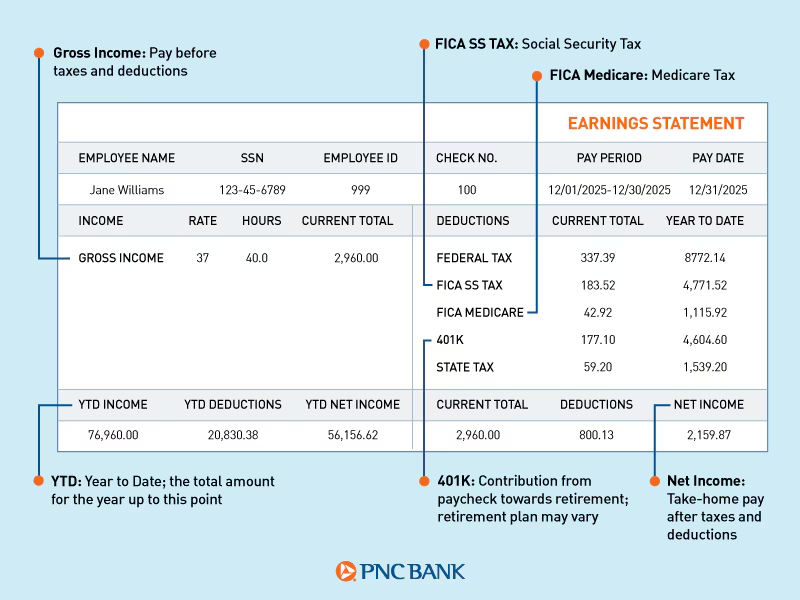
Elements of a Pay Stub
Pay stubs are divided into several sections, each providing specific information about earnings and deductions. Here’s a look at the main elements and how they affect your net pay.
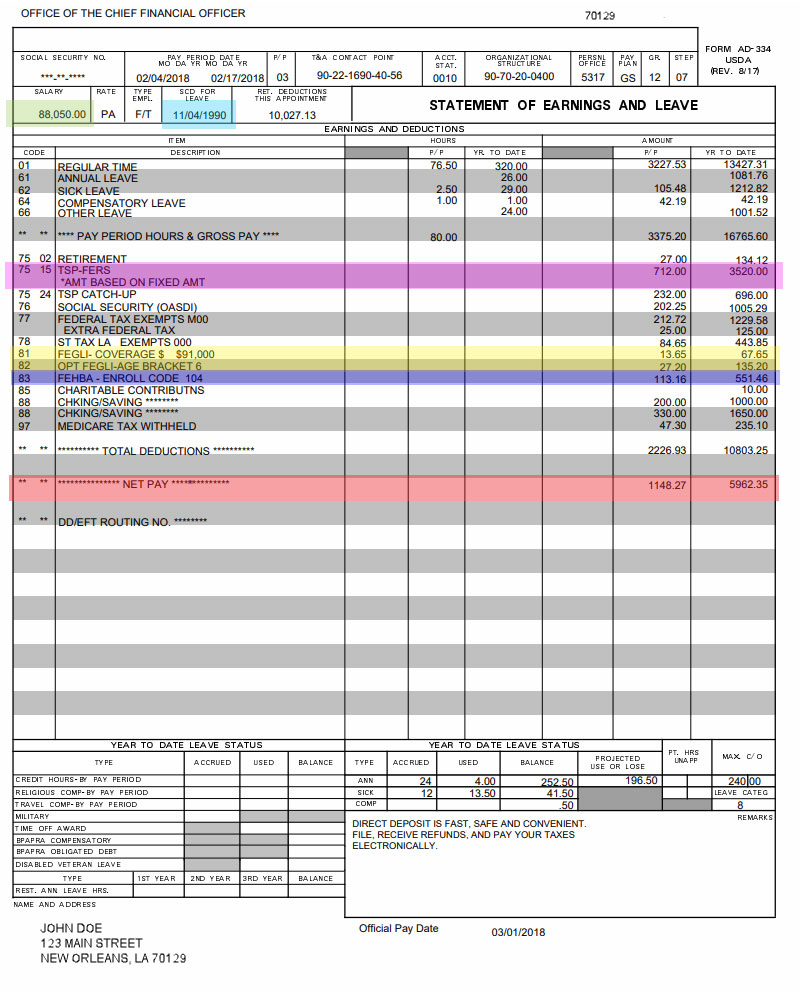
Example of a Pay Stub
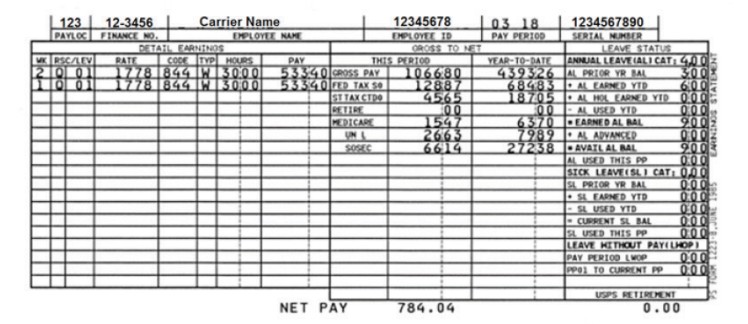
It’s important to understand the
information on your pay stub so
that you can ensure that you’re getting paid properly. Whether you get
a paper check or payment by direct
deposit, you receive a pay stub every
pay period that explains what you’ve
earned as well as any deductions from
your pay. This article will provide a
brief explanation of the USPS timekeeping system, pay stubs and the
USPS ePayroll web application.